
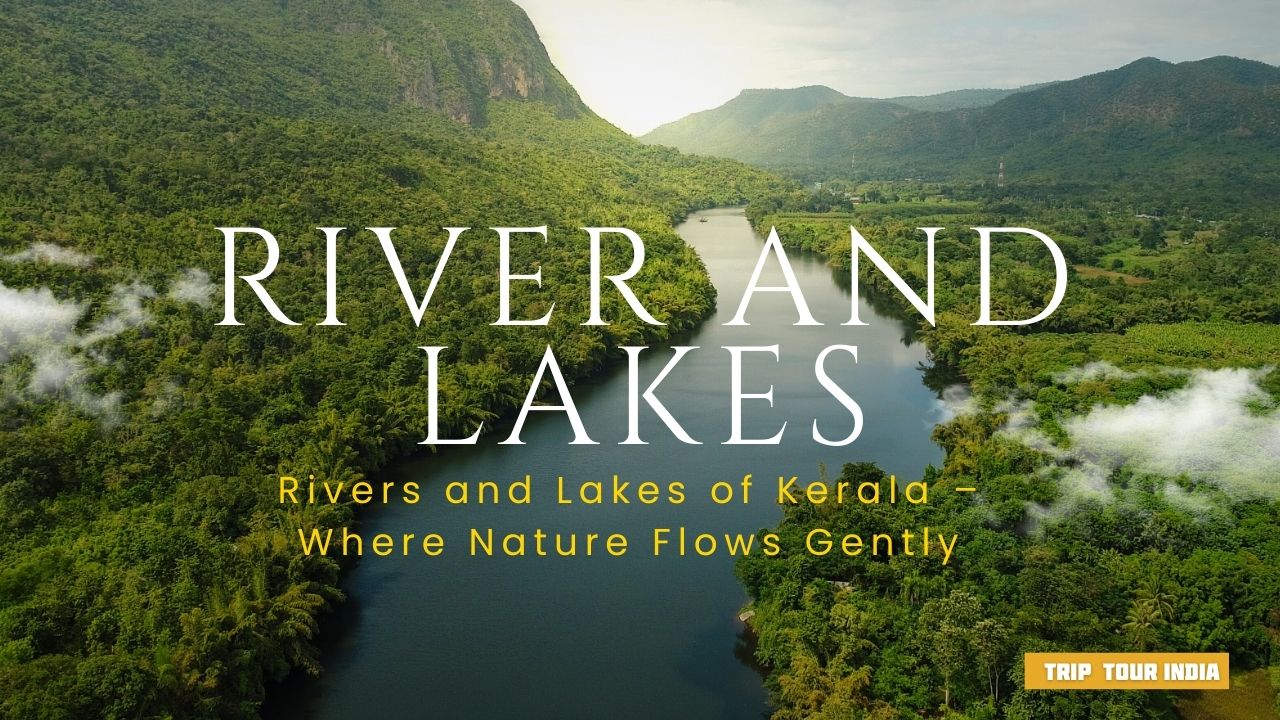
Rivers and Lakes: Flowing Through Landscapes, History, and Everyday Life
Kerala is blessed with an extraordinary network of rivers and lakes that shape its geography, ecology, agriculture, and culture. Flowing from the Western Ghats to the Arabian Sea, these water bodies nourish forests, farmlands, wetlands, and backwaters. Rivers serve as natural transport routes, support irrigation, and sustain diverse ecosystems, while lakes form scenic tourism zones and vital fishing grounds. Together, they create Kerala’s signature landscapes of lush greenery and interconnected waterways.
Rivers of Kerala – From Mountains to the Sea
Natural Role of Rivers
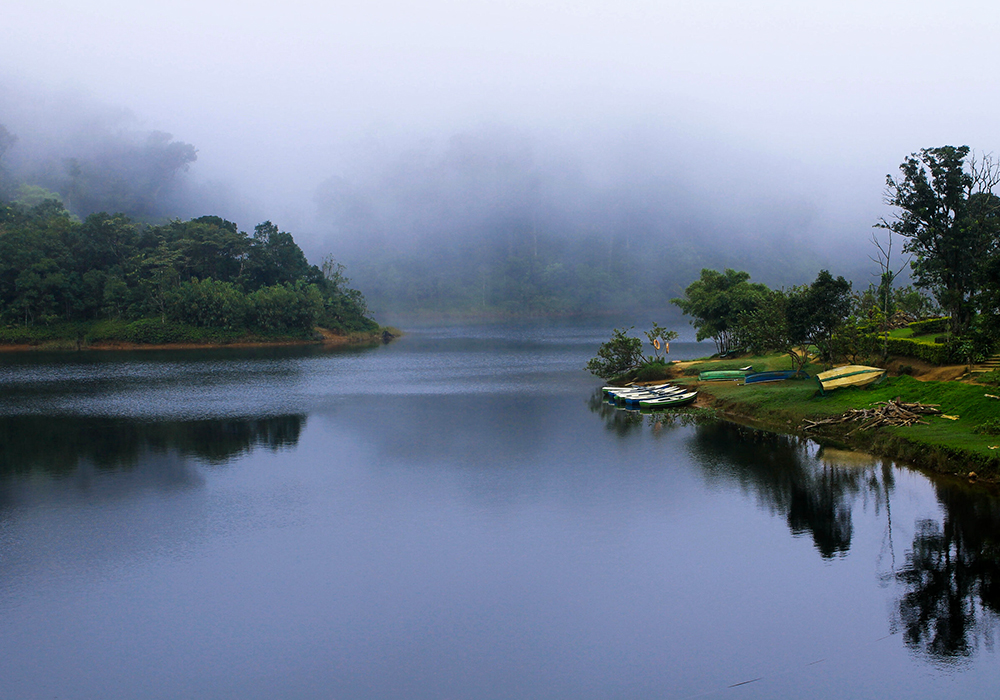
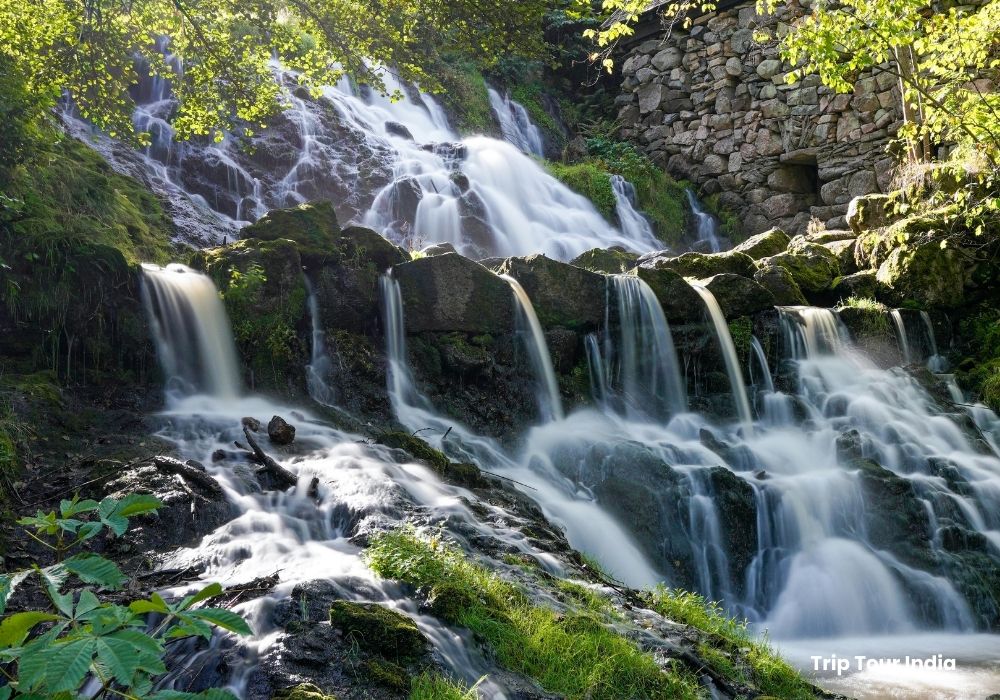
Kerala has more than 40 west-flowing rivers, most originating in the Western Ghats. These rivers are relatively short but fast-flowing, carrying fresh mountain water to coastal plains, backwaters, and estuaries. They replenish groundwater, support rice cultivation, and maintain wetlands that protect against floods and saltwater intrusion.
Rivers & Lakes of Kerala
Where Water Shapes Paradise
Top Rivers of Kerala
Flowing rivers and serene lakes weave through Kerala’s landscapes, creating breathtaking natural beauty and vibrant ecosystems.
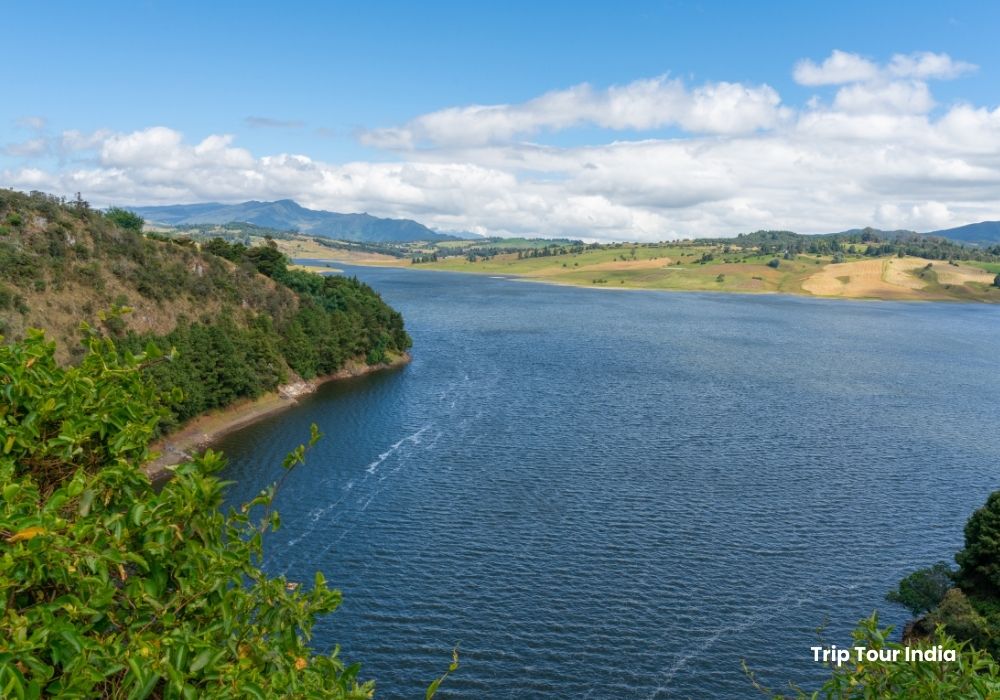
Periyar River
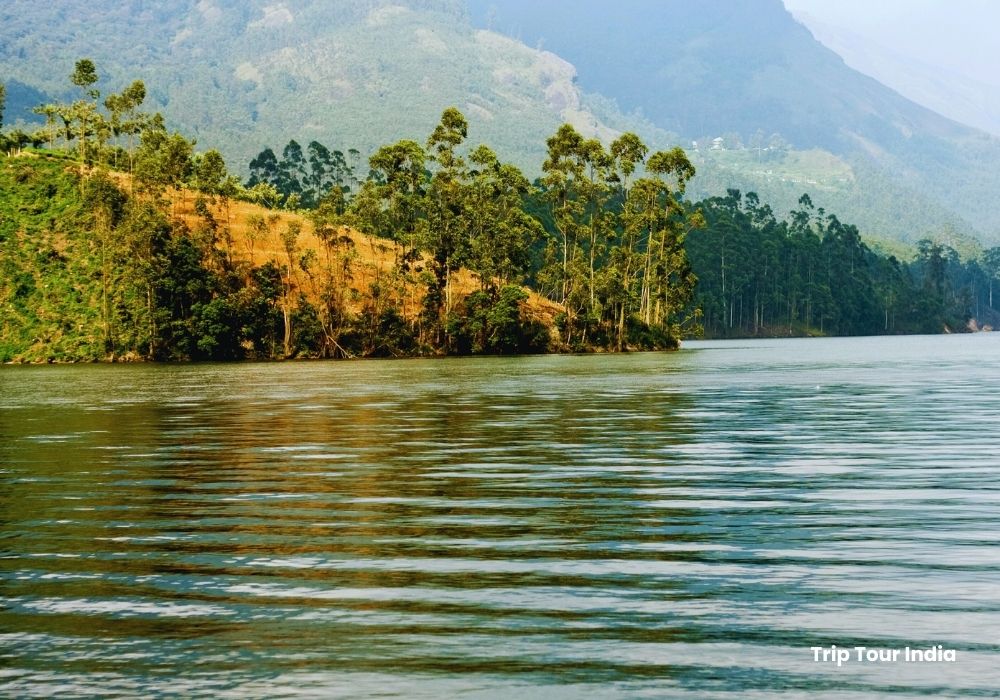
The longest river in Kerala, flowing through forest reserves and urban regions. It supports wildlife habitats, irrigation systems, and drinking water supply. Boat rides and riverside nature walks are popular in Periyar basin areas.
Bharathapuzha (Nila)
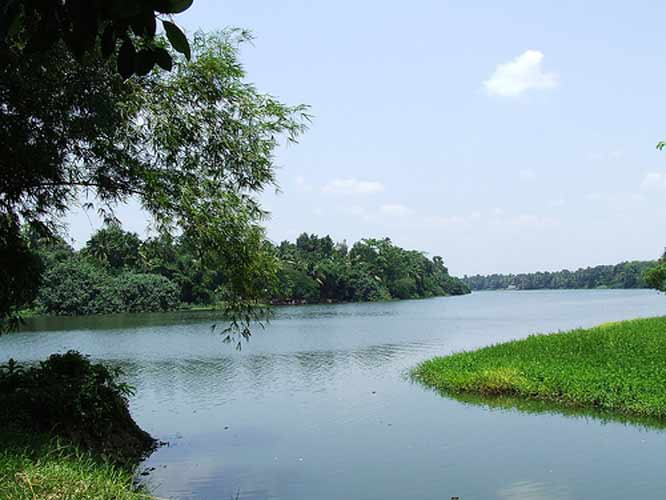
Often called the cultural river of Kerala, it flows through regions known for classical arts, temples, and literary traditions. The riverbanks host festivals, rituals, and traditional village life.
Pamba River
Closely associated with pilgrimage tourism, especially the Sabarimala pilgrimage route. The riverbanks see spiritual gatherings and seasonal rituals.
Chaliyar River
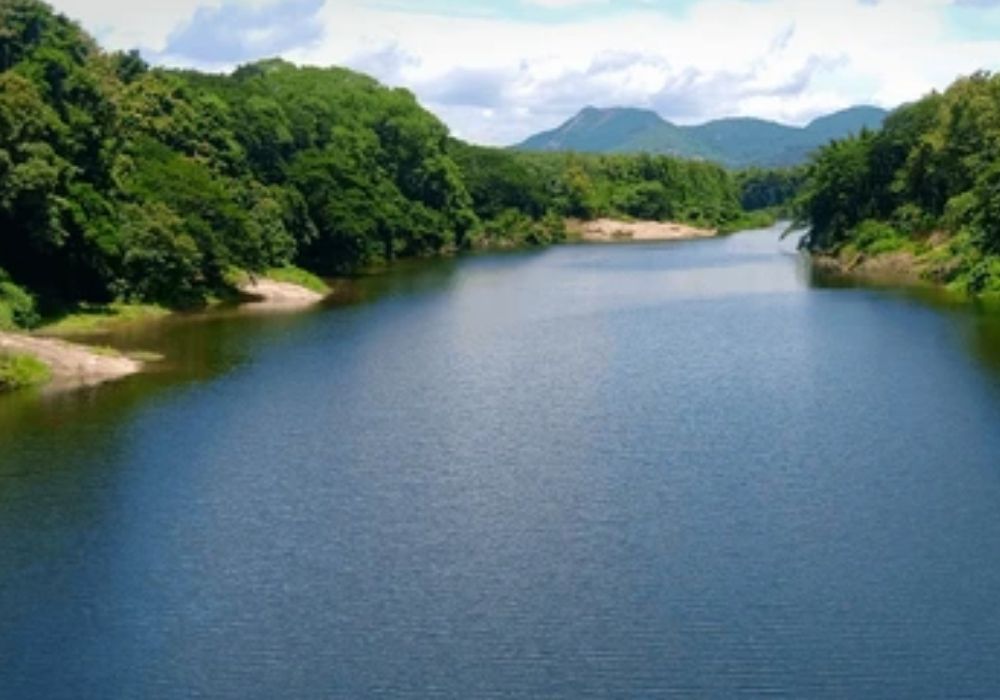
Flows through forest regions and supports eco-tourism activities like rafting and nature camping. It is known for scenic gorges and rich biodiversity.
Lakes of Kerala – Calm Waters and Living Wetlands
Lakes in Kerala function as freshwater reservoirs, fish breeding zones, and bird habitats. Many lakes are connected to the backwater system and act as buffer zones between rivers and the sea, supporting both agriculture and tourism.
Vembanad Lake
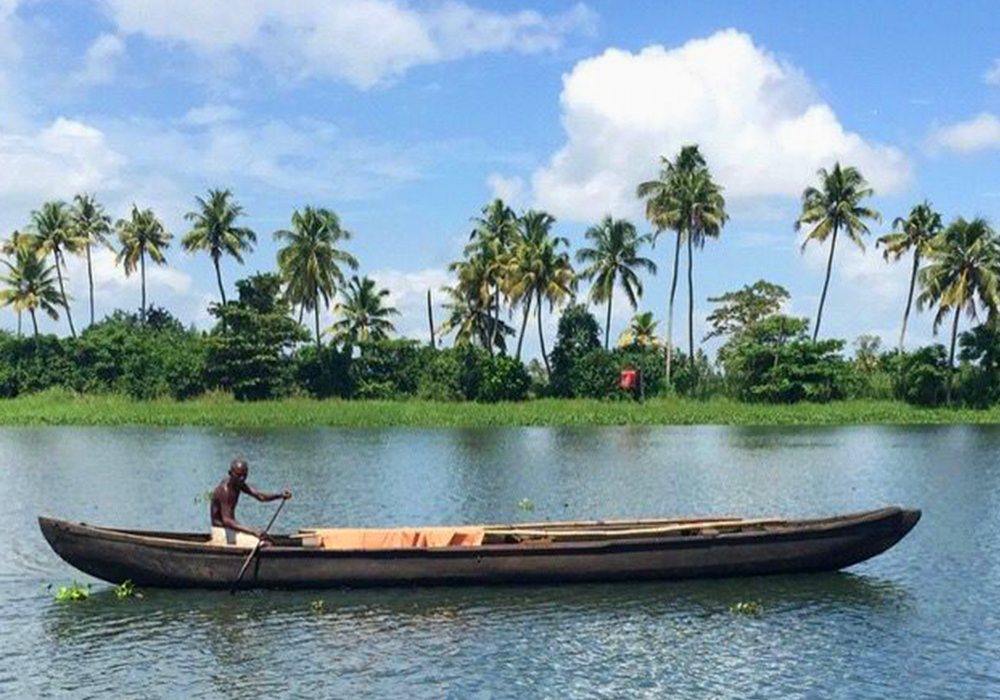
The largest lake in Kerala and a major backwater tourism hub. Houseboat cruises, bird sanctuaries, and waterfront villages make it one of the most visited natural attractions in the state. It also supports large-scale inland fishing and paddy cultivation.
Ashtamudi Lake
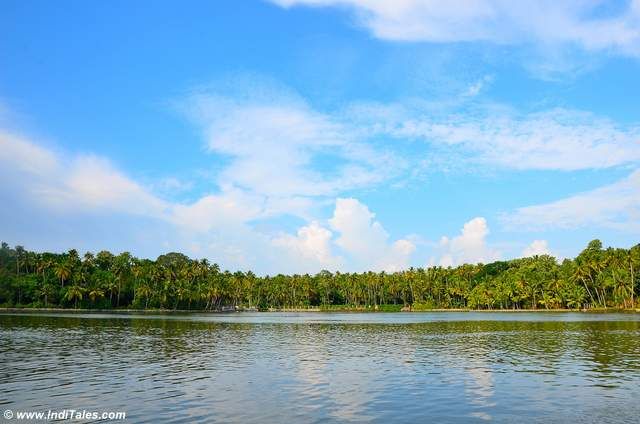
Known for its eight-channel structure, this lake offers scenic cruise routes and island villages. It is also an important source of clam harvesting and seafood production.
Sasthamkotta Lake
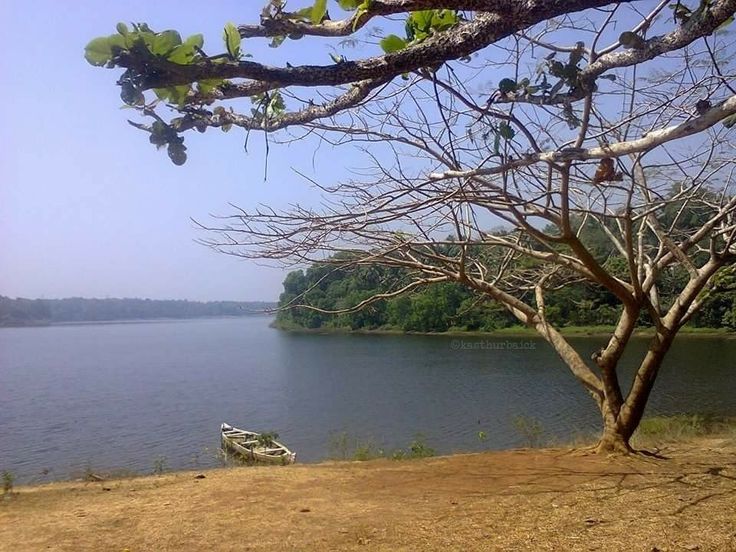
The largest freshwater lake in Kerala, known for its clear water and ecological balance. It is surrounded by forest patches and temple complexes, making it suitable for peaceful nature tourism.
Discover the Wild Side of Kerala

Tourism Activities on Rivers and Lakes
- Houseboat stays
- Sunset lake cruises
- Village canoe rides
- Fishing village visits
- Riverside camping and eco-lodges
- Festival boat races during harvest season
Cultural and Economic Importance
Rivers and lakes support:
- Paddy cultivation and coconut farming
- Inland fisheries and clam harvesting
- Traditional transport routes
- Religious festivals and rituals
- Settlement of historic trade towns
Many cultural practices, temple festivals, and local economies are deeply connected to seasonal water cycles.
Biodiversity and Wetland Tourism
Rivers and lakes support mangroves, marshlands, and bird habitats. Migratory birds arrive seasonally, making many lake regions suitable for birdwatching and eco-tourism. Wetlands also play a major role in flood control and climate regulation.
Tourism experiences include:
- Wetland photography tours
- Canoe and kayaking tours
- Birdwatching walks
- Village fishing demonstrations
Best Time to Experience Rivers and Lakes
Festival seasons: Boat races and river festivals offer cultural experiences
October to March: Ideal for houseboat and lake cruises
June to September: Rivers are full and landscapes are lush, best for scenic viewing and photography
Responsible Tourism and Conservation
With increasing tourism and urban growth, protection of rivers and lakes is essential. Community-based tourism initiatives, waste management programs, and eco-regulations are helping preserve water quality and biodiversity. Visitors are encouraged to choose certified operators and respect wetland environments.
Leave a Reply