
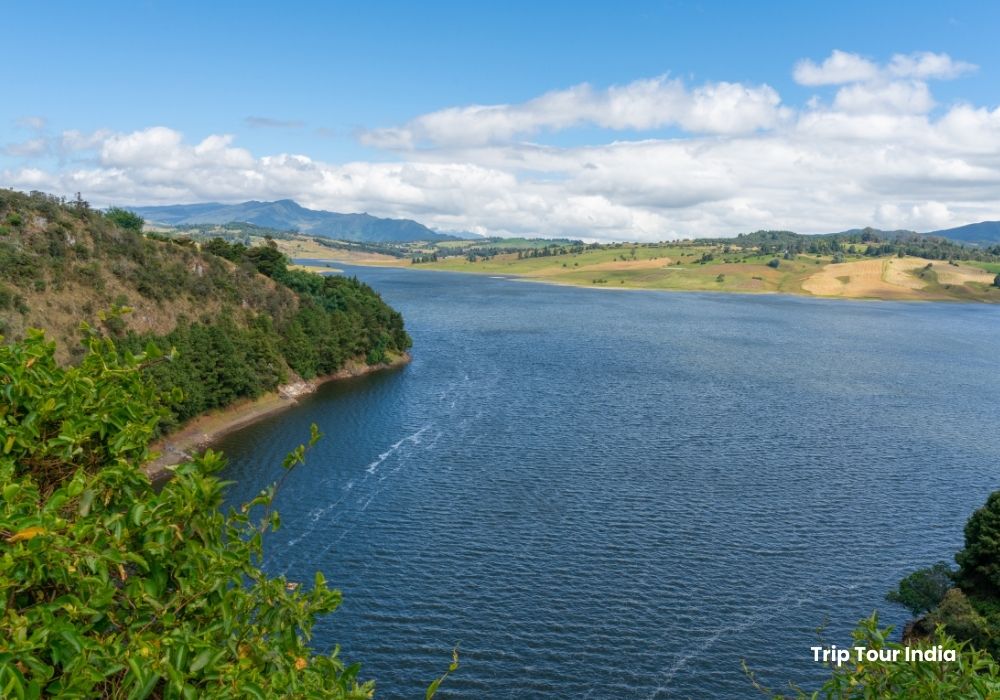
Bharathapuzha, also known as the Nila River, is the second longest river in Kerala and one of the most culturally significant rivers in South India. Flowing across central Kerala, Bharathapuzha has shaped the region’s history, literature, agriculture, and spiritual traditions for centuries.
With a length of approximately 209 kilometers, the river originates in the Western Ghats and flows westward into the Arabian Sea at Ponnani. Unlike many perennial rivers of Kerala, Bharathapuzha is largely rain-fed and experiences seasonal flow variations, adding to its unique ecological character.
Origin and Course
Bharathapuzha originates from the Anamalai Hills of the Western Ghats, near the Kerala–Tamil Nadu border. It flows through districts such as:
- Palakkad
- Thrissur
- Malappuram
The river eventually empties into the Arabian Sea near Ponnani.
Major tributaries include:
- Kalpathipuzha
- Kannadipuzha
- Gayathripuzha
- Thuthapuzha
The river basin covers a vast agricultural region, making it vital for irrigation and farming communities.
Cultural & Literary Importance
Bharathapuzha is often called the “River of Kerala’s Cultural Renaissance.” Many prominent Malayalam poets, scholars, and artists were inspired by its banks.
The river is closely associated with:
- Traditional Vedic learning centers
- Temple festivals
- Classical music and Kathakali traditions
- Ancient Brahmin settlements
The town of Tirunavaya on its banks was once a major center for cultural gatherings and scholarly debates.
Religious Significance
Bharathapuzha holds immense spiritual value. Its banks host numerous temples and sacred sites. It is considered auspicious for:
- Ritual bathing
- Ancestor rites (Pithru Tharpanam)
- Temple festivals
The famous Thirunavaya Nava Mukunda Temple is located on its banks and attracts devotees from across Kerala.
Agricultural Importance
The fertile plains of the Bharathapuzha basin support:
- Paddy cultivation
- Coconut groves
- Banana plantations
- Seasonal crops
Historically, the river has been central to irrigation systems in Palakkad district, often called the “Rice Bowl of Kerala.”
Environmental Concerns
Unlike the Periyar, Bharathapuzha is not fully perennial. Over the years, it has faced:
- Sand mining
- Reduced water flow
- Deforestation in catchment areas
- Climate variability
Conservation initiatives are being implemented to restore and preserve the river’s ecological health.
Tourism Along Bharathapuzha
While less commercialized than other Kerala rivers, Bharathapuzha offers serene and scenic experiences:
- Riverside temple visits
- Cultural heritage exploration
- Peaceful village landscapes
- Photography of traditional Kerala life
It is ideal for travelers seeking authentic rural Kerala experiences away from crowded tourist hubs.
How to Reach
- Nearest Airport: Calicut International Airport
- Nearest Railway Stations: Shoranur Junction, Pattambi
- Well connected by road from Palakkad and Thrissur
Best Time to Visit
- October to February: Pleasant weather and post-monsoon river flow
- Monsoon (June–September): River flows fuller, scenic landscapes
- Summer: Reduced water levels but culturally active temple season
Quick Facts
- Length: Approx. 209 km
- Also Known As: Nila River
- State: Kerala
- Mouth: Arabian Sea at Ponnani
- Cultural Tag: River of Kerala’s Renaissance
Why Bharathapuzha is Special
- 🌊 Second longest river in Kerala
- 📚 Deep literary and cultural heritage
- 🛕 Major temple and ritual center
- 🌾 Supports agriculture in central Kerala
- 🌿 Symbol of Kerala’s traditional lifestyle
Leave a Reply